

















Indian court says change of religion does not end tribal status

Indian court says change of religion does not end tribal status
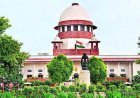
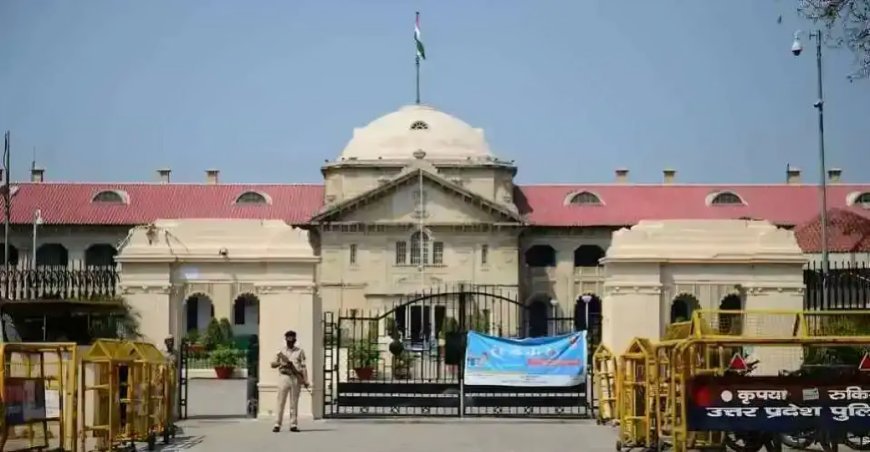
A provincial top court in northern India has ruled that conversion to another religion does not end a person’s tribal status, a constitutional recognition of indigenous groups that entitles them to preferential treatment, including quotas in education, jobs and political representation.
The Allahabad High Court, the top court in Uttar Pradesh state, in its Sept. 14 order asserted that “change of religion does not ipso facto terminate Scheduled Tribe [ST] status.”
The single bench of Justice Arun Kumar, however, dismissed the petition filed by a tribal woman married to a Muslim man because she failed to prove that she maintained her tribal identity after several decades of living under a completely different religious and social identity.
The petitioner, identified only as Nanhki, was born into the Bhuyan tribe, which has ST status, the official term guaranteeing statutory protection as well as economic and social benefits.
Her petition challenged a government order that invalidated the purchase of tribal agricultural land by her on the grounds that she ceased to be a member of her tribe after marrying a Muslim and adopting Islam.
The Jan. 22 order by a revenue official in Sonbhadra district also referred to her assuming the name Naimunnisha after marriage, raising her children as Muslims, and completely severing ties with her tribal community.
As per the state’s law, sale and purchase of land belonging to tribal people are restricted only to community members, the order noted.
Nankhi alias Naimunnisha argued in her petition that she continued to remain a member of the Bhuiyan community and did not abandon her original religion or tribal identity.
She also maintained that her tribal status “was acquired by birth and there is no provision in the Constitution (Scheduled Tribes) Order, 1950, which excludes a person from Scheduled Tribe status merely on account of change of religion due to marriage.”
The court agreed with her contention but held that “on the facts established in the case, the petitioner has failed to demonstrate the continuing tribal identity necessary to retain that status.”
A C Michael, a Catholic leader based in New Delhi, said the court has rightly upheld the legal position that mere conversion does not automatically forfeit a person’s tribal status.
“The High Court's order is a beacon of hope, especially at a time when Hindu nationalist groups are stepping up campaigns to demand revocation of welfare benefits for tribals who converted to Christianity and Islam,” Michael, a former member of the Delhi state’s minority commission, told on Sept. 17.
More than 60 percent of India’s 27 million Christians are from tribal or other socially poor castes and groups.
Hindu groups argue that tribal people who left their original faith cannot enjoy special affirmative benefits granted under the 1950 constitutional order, as Christianity and Islam do not recognize tribes or castes like Hinduism.
Gulzar Singh Markam, a tribal leader based in Madhya Pradesh state in central India, though, asserted that the ST status remains unless a tribal person explicitly abandons tribal culture and practices.
What's Your Reaction?
 Like
0
Like
0
 Dislike
0
Dislike
0
 Love
0
Love
0
 Funny
0
Funny
0
 Angry
0
Angry
0
 Sad
0
Sad
0
 Wow
0
Wow
0